


Background
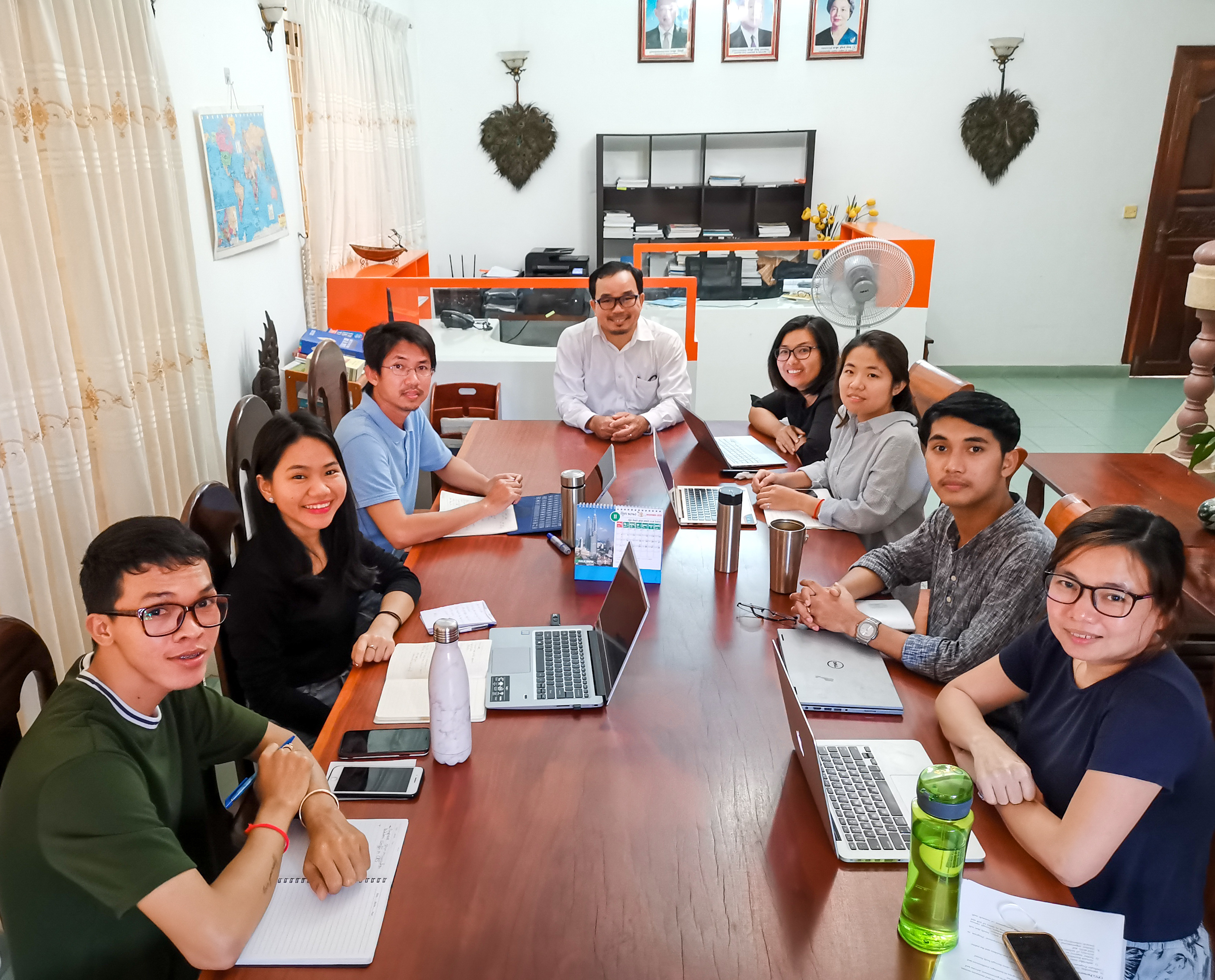
The Centre for Policy Studies (CPS) is an independent, non-partisan, not-for-profit and autonomous think tank to serve public interests of Cambodia. Registered with the Ministry of Interior on 20 November 2014, CPS has been conducting studies in the areas of agriculture, land, and labour, mostly on competitive bidding and grants based on competition for projects called for by government, development partners, and non-governmental organizations. Some of the studies and services CPS has undertaken are for policy consideration and intervention in terms of project formulation and implementation. CPS is a valued partner and a resource to many government agencies, development partners, civil society organization, and research institutions in Cambodia and overseas. CPS now employs 12 full time members (seven female), and is governed by a Board of five directors.
Main Activities
- Research priority topics and issues in the agriculture, land, labour, and resources sectors
- Provide innovative and practical policy recommendations to government, private sector, and civil society organizations based on research findings and objective analysis
- Contribute to national socio-economic policy dialogues in meetings, conferences, and consultations
- Advocate and disseminate constructive and innovative ideas through both formal (publications and the media) and informal ways
- Promote a shared country vision and values of Cambodia
- Increase the understanding of sound public policy among stakeholders and the public.
Partnership with Ponlok Chomnes II
Under the Ponlok Chomnes Policy Engagement Fund, CPS and Ministry of Agriculture, Forestry, and Fisheries (MAFF) will conduct a joint research on Agricultural Product Specialisation by Agroclimatic Conditions in Pursat Province. The proposed study aims to provide inputs to the government working group participated by MAFF leaders in promoting inclusive and resilient agricultural development in Pursat province that will improve the benefit sharing across different social groups including women, persons with disability, and ethnic minority communities. The findings will serve as a basis for MAFF to recommend the specialisation of certain agricultural products in targeted communes or districts in Pursat, leveraging clear comparative advantages.
Please click here for more information about CPS.