


Latest knowledge products


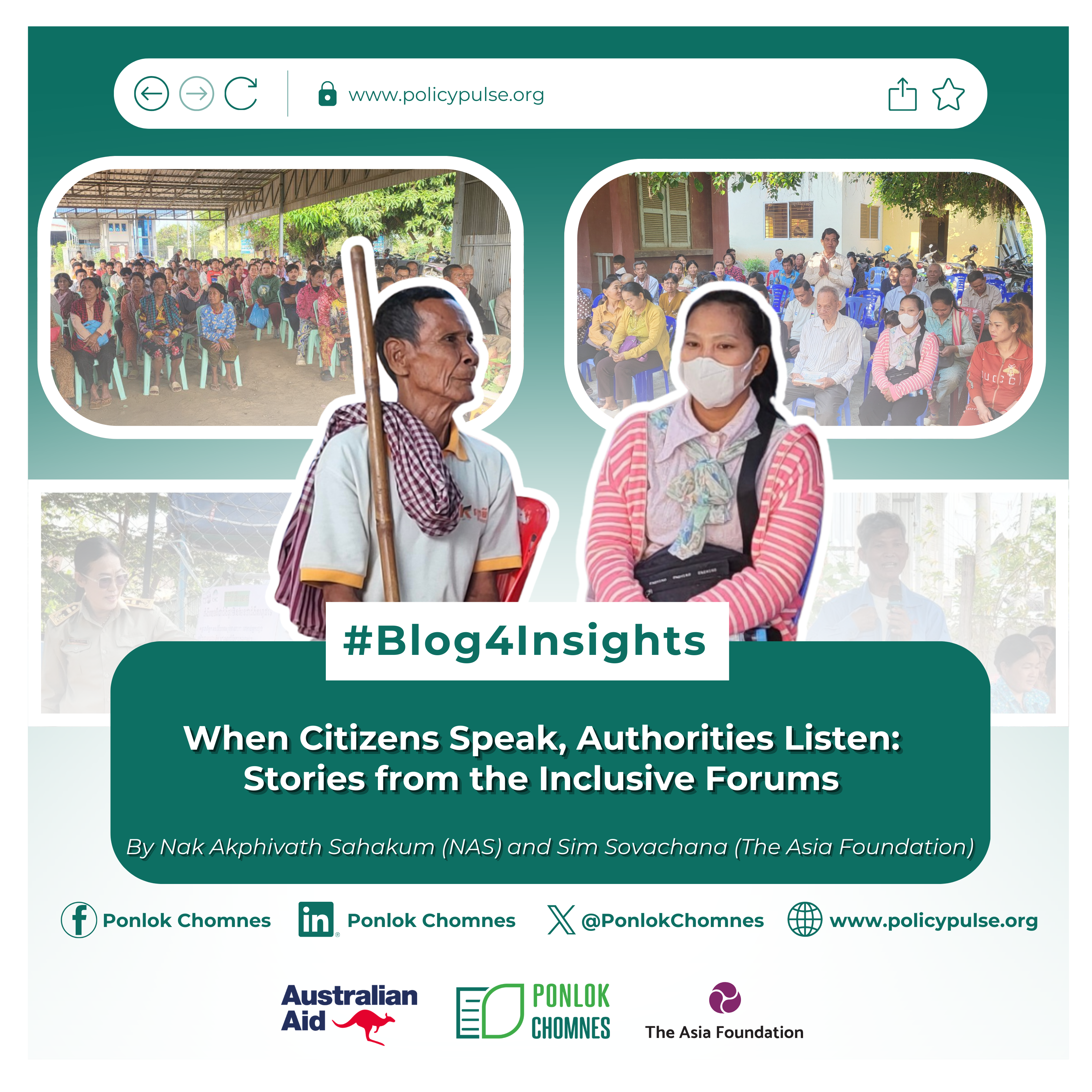
When Citizens Speak, Authorities Listen: Stories from the Inclusive Forums
By Nak Akphivath Sahakum and Sim Sovachana
Introduction
Across many communes in Cambodia, citizens—especially women, older people, people with disabilities, and poor families—often struggle to speak up about their needs. Many do not know where to go for help or feel too shy or afraid to approach local authorities. As a result, important issues such as missing documents, lack of services, or urgent family needs can remain unresolved for years.
A project implemented by the organisation Nak Akphivath Sahakum (NAS) with support from The Asia Foundation and titled “Promotes Responsiveness to Citizens’ Priority Needs Through an Inclusive Forum at the Sub-national Level” helps change this by creating safe and inclusive spaces where citizens and local authorities can meet facetoface. Through Citizen Roundtable Discussions1 and Commune Inclusive Forums2, people who were previously unheard now have a chance to raise concerns, ask questions, and receive direct responses from commune councillors and commune police.
The two stories below show how these forums can transform lives. Their experiences highlight the power of participation, dialogue, and trustbuilding between citizens and local leaders. These stories also remind us why inclusive engagement is essential for stronger, more responsive local governance.
Story 1: A Chance to Be Heard
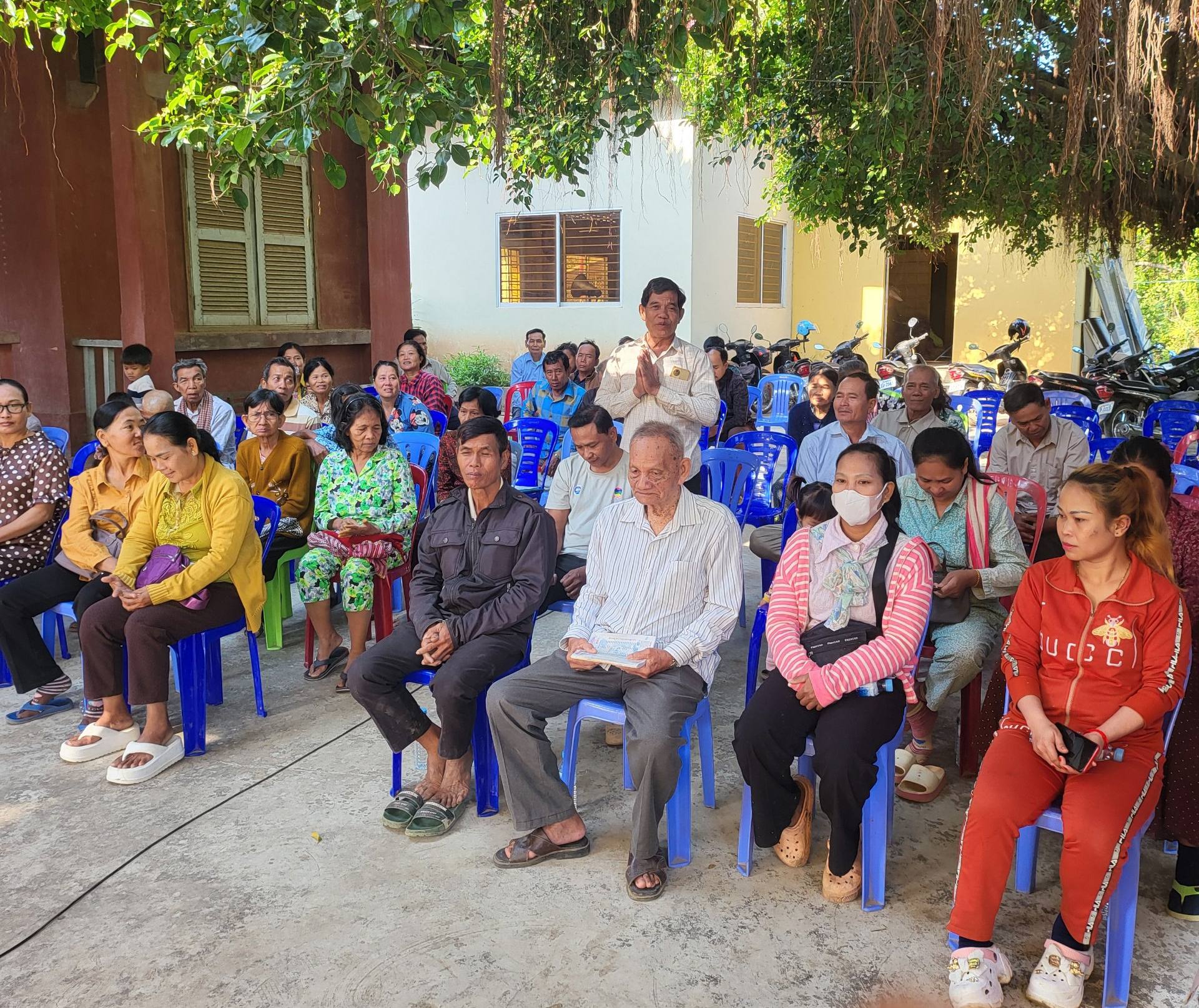
Mrs. Sombath lives in Rekar Kory commune in Kampong Cham province. She is a mother of three and supports her family by selling an assortment of small goods like spices, vegetables, and phone accessories.
For many years, Sombath struggled to get basic documents such as an IDPoor card (an identification card provided to poor and at-risk households that guarantees free healthcare, school scholarships, and other targeted social services), a marital certificate, and a family book. She first asked for help in getting these essential documents in 2018, but the village chief told her she needed additional papers, which she did not have. She tried again in 2023 but received the same response and still could not complete the process.
In January 2026, Sombath joined a Citizen Roundtable Discussion and later attended a Commune Inclusive Forum organised by NAS. For the first time, she sat facetoface with commune councillors and commune police. There, she raised her longstanding problem again. This time, the commune councillor and commune police promised to help her obtain the documents and said they would coordinate with the district governor.
Upon hearing this, Sombath shared how she felt:
“I am very happy. This project gave me a chance to meet local authorities directly. I could speak about my problem, and they listened and responded. I feel proud.”
She added that the forum helped her understand more about citizen rights and local public services and also encouraged her to share the information with others in her community. She hopes similar activities will continue and expand to other areas.
Story 2: When Inclusion Matters
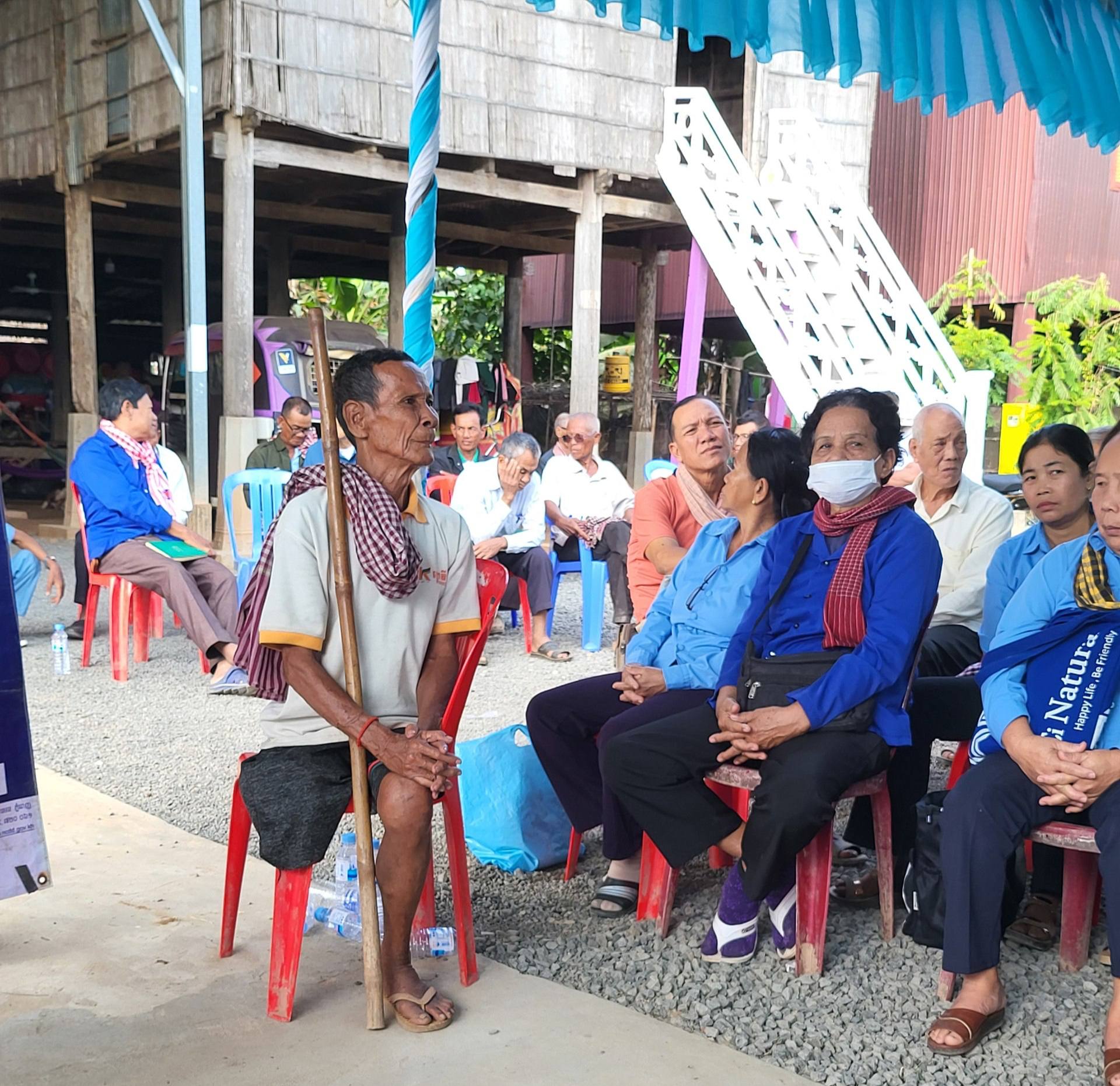
Mr. Kas lives in Sokong commune in Kampong Cham province. He has a disability affecting his mobility and lives in poverty. For many years, he never had the chance to attend commune meetings or speak directly with authorities.
With the support of a Commune Accountability Facilitator (CAF), Mr. Kas joined a Citizen Roundtable Discussion on 29 December 2025. During the meeting, he shared his concerns- he needed food, school supplies for his grandchildren, and a mode of transportation such as a bicycle. At that time, authorities did not immediately respond.
On 15 January 2026, he attended a Commune Inclusive Forum and raised the same issues again. The commune councillor explained that they would bring his requests to the district governor and include them in the Commune Investment Plan.
Mr. Kas said:
“I am happy that the authorities listened to me. My request is now being processed. This project is very important for citizens, including people like me.”
He thanked the project team and asked for it to be expanded to more districts so more people could benefit.
Conclusion
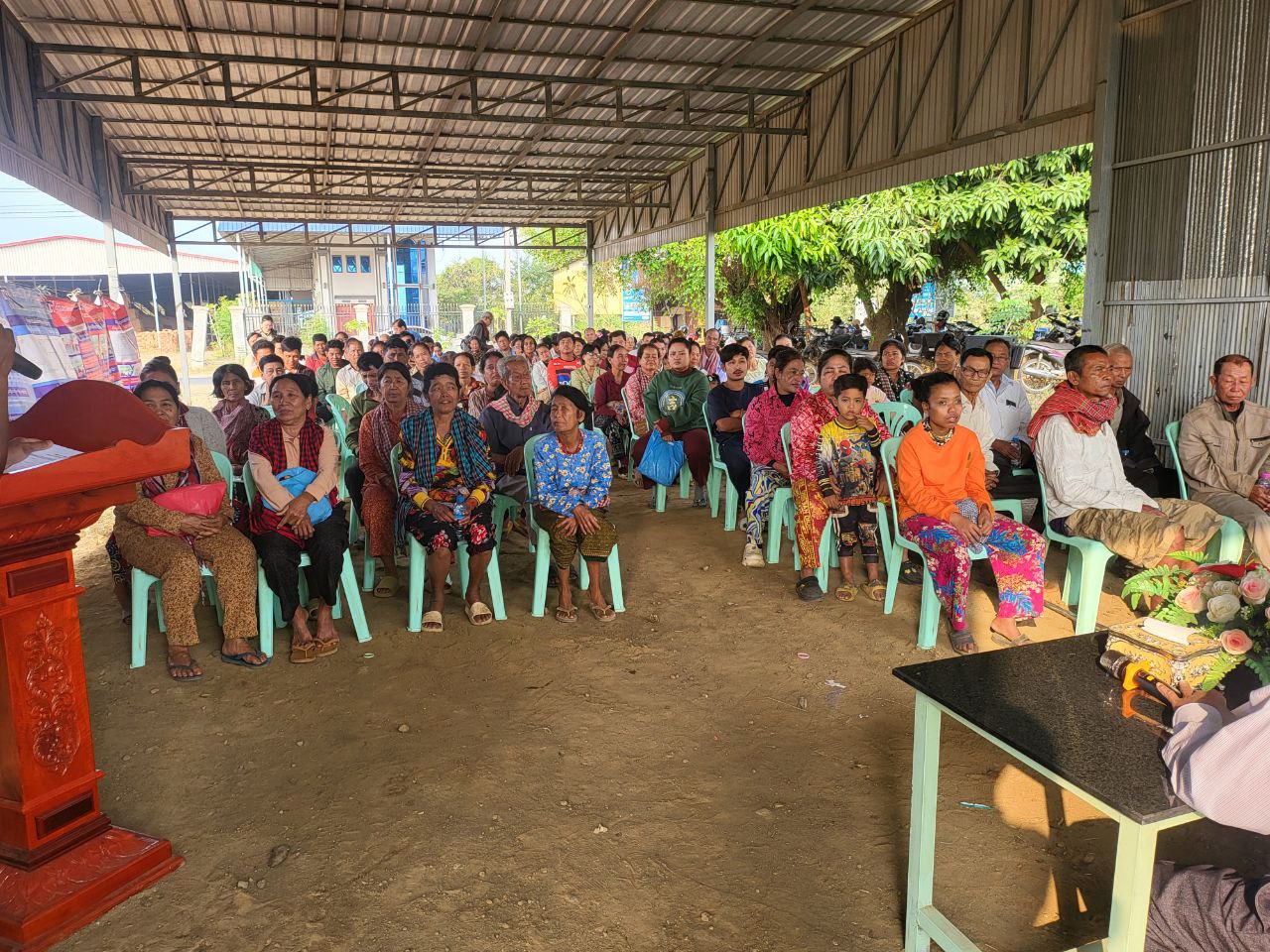
The experiences of Mrs. Sombath and Mr. Kas show the real value of creating safe and inclusive spaces where citizens can speak directly with local authorities. When people are given the opportunity to raise their concerns openly, they are able to express longstanding needs that might otherwise remain unheard.
These forums also help close the gap between citizens and local authorities. Before joining these events, neither Sombath nor Kas had direct lines of communication with commune councillors or police officers. Through the discussions, they were able to share their challenges and receive practical and timely responses.
The stories highlight how important participation is for vulnerable groups—such as women, older people, and people with disabilities. When included, they not only receive necessary support but also gain confidence and a better understanding of their rights and the public services available to them.
Importantly, the forums did not stop at listening. Local authorities committed to concrete followup actions, such as helping Sombath obtain her documents and including Kas’ needs in the Commune Investment Plan. This shows that meaningful participation can lead to real solutions.
Finally, both citizens said they wanted these activities to continue and expand. Their feedback reflects increasing trust, stronger relationships, and growing demand for inclusive engagement in their communities.
Together, these stories remind us that when citizens are empowered to speak—and authorities are ready to listen—positive change becomes possible.
- Nak Akphivath Sahakum (NAS) receives support from The Asia Foundation to implement a project called “Promotes Responsiveness to Citizens’ Priority Needs Through an Inclusive Forum at the Sub-national Level” that works with 3 communes and 28 villages in Kang Meas district, Kampong Cham province. The project works to increase citizens’ access to information at the local level and their ability to fully participate at the sub-national level. The project also works to improve collaboration between citizens and the government and to integrate citizen priorities into Commune Investment Plans.
- Sim Sovachana is a Program Officer of the Ponlok Chomnes II: Data and Dialogue for Development in Cambodia Program at The Asia Foundation.